 |
 |
|
This month’s features: |
|
Blindspot |
Deaf History Month |
Footsteps to Inspire Us |
||
A documentary of a blind couple living in New York. |

Celebrate Deaf History Month in March. |
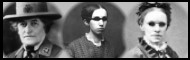
Read about famous deaf, blind, and deaf-blind women. |
Blindspot |
||||||||||
DCMP members and non-members alike can watch a fantastic new documentary short, Blindspot, on both the DCMP Web site and on YouTube. This film is an intimate portrait of two young blind New Yorkers who embrace the city of New York on a daily basis. Jamil (26) and Tamesha (24) are the focus of the film, and they have known one another since the fourth grade. Aided by Jamil's guide dog, the two demonstrate what life is like in a city that often doesn't "see" them. The producers call this film a "visual poem--not a pamphlet" and use it to prove the truth behind Stevie Wonder's famous words that "just because a man lacks the use of his eyes, doesn't mean he lacks vision." A comprehensive DCMP lesson guide will provide you with many ideas for learning activities. The film kicks off March's Listening Awareness Month along with the DCMP Listening is Learning (LIL) campaign to promote the use of video with description. Throughout the month of March, we encourage teachers, parents, and others to reinforce the benefits of listening to described media with their students, both those who are blind or visually impaired and those who are not. We invite you to order some of our colorful LIL posters and brochures to distribute to friends and colleagues to raise awareness about the benefits of listening to description. Related Links
Share This Story
|
Related DCMP Titles |
|||||||||



Deaf History Month |
||||||||||
The DCMP's deaf history-related resources provide huge support for your celebration and study. Discover video titles on our deaf history flyer [PDF], and you can learn more about the unique culture on our deaf culture flyer [PDF]. Introduce the historical significance of captioning to your students, particularly those who benefit from captioning on a daily basis! Check out our Captioning Timeline Highlights [PDF], take the captioning history trivia quiz, or have your students watch the first-ever educational captioned film, Rockets: How They Work. Don't miss the one-of-a-kind video An Interview With Dr. Malcolm J. Norwood (the father of closed captioning) and refer to the accompanying resource guide. There is also an article overviewing the history of educational captioned films and much more! Related Links
Share This Story
|
Related DCMP Titles |
|||||||||
Footsteps to Inspire Us |
||||||||||
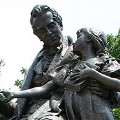
March is Women's History Month. As we celebrate all the women in American and world history whose influence has shaped our lives, we should not forget the influences of women who are deaf or hard of hearing, blind or low vision, and deaf-blind. At first you may not be able to think of any such women. Then you might remember Helen Keller who was both deaf and blind and an inspiration to millions. However, there are many, many other women who have not only contributed to their own community but to the world at large. There are too many inspiring deaf and blind women throughout history to name them all. This article will only touch on a few, but we've also provided additional Web sites and resources to be explored with your class or on your own. Read More. Deaf and Hard of Hearing: Blind and Low Vision: Deaf-Blind: Related Links
Share This Story
|
Related DCMP Titles
Flyers |
|||||||||
Quick Hits |
||||
Finding Captioned and Described Movies |
Description at Museums, Parks, and Exhibits |
Copyright-Friendly Images and Sounds |
||

Captionfish searches for captioned and described movies near you. There is now also an IPhone application to find these movies, which also provides captioned (not described) previews of these movies. |

Description at a museum, park, or exhibit describes the actual object, rather than addressing its creator or history. Emphasis is on size, shape, color, texture, and detail. The Audio Description Project has identified a handful of museums and parks in five states which offer this service. |

Copyright-Friendly provides a huge selection of links to media, with generous copyright licensing, that can be used for educational purposes (some subject specific). |
||
|
The contents of this newsletter were developed under a grant from the U.S. Department of Education, Cooperative Agreement #H327N060002. However, those contents do not necessarily represent the policy of the U.S. Department of Education, and you should not assume endorsement by the Federal Government. Project Officer, Ernest Hairston. The DCMP is administered by the National Association of the Deaf. |
||||||||
   
 
|
|||||||||